

Interviews/Entrevistas
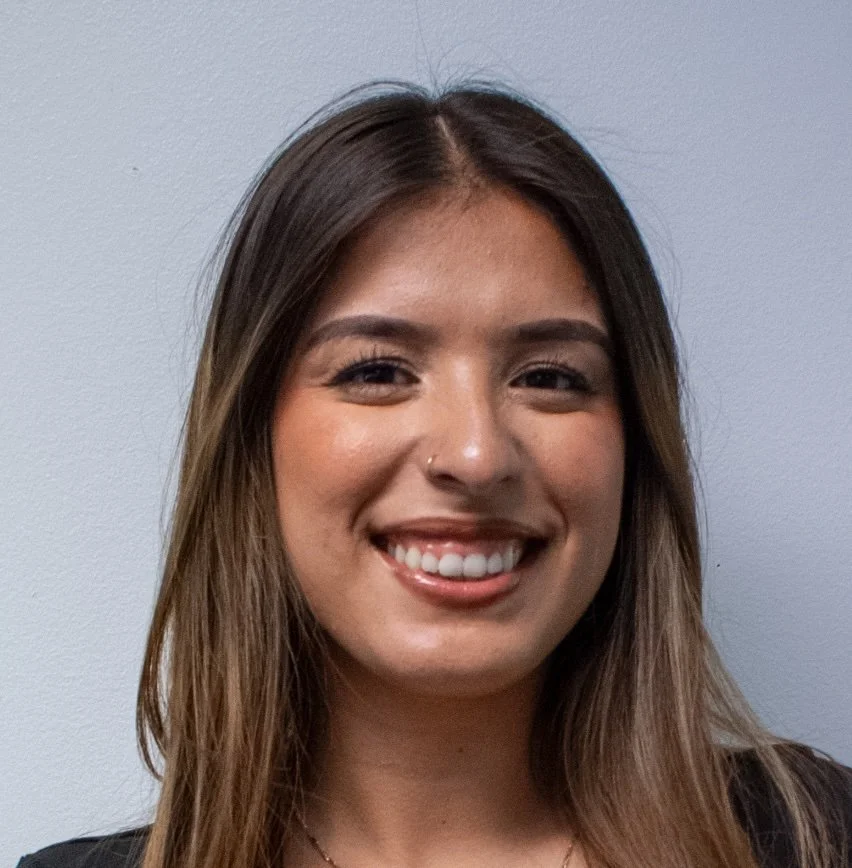
‘If we stop fighting, who else is going to do it?’
ourBRIDGE for KIDS’ Lili Jaramillo shares encouraging message for Latine youth
By: Micaela LS
This month, I had the opportunity to speak with Lili Jaramillo, Family Support Director at ourBridge for KIDS, a Charlotte-based organization doing admirable work with immigrant and refugee children and families in North Carolina. ourBRIDGE has become a great support network for newcomers navigating the challenges of building a life in a new area.
During a time when there is so much hate and stress in the United States, speaking to someone whose work is grounded in care, community, and helping families have good lives in a new home was even more meaningful. Through its family support services, ourBRIDGE represents what we need the most right now: support for families of the latine community.
In our conversation, Lili reflects on her journey into this work, urgent needs of immigrant families, and the importance of creating spaces where children and parents feel seen, welcomed, and empowered. Her comments are an important reminder that community-building is, itself, a much-needed form of advocacy.
—————-
«Si dejamos de luchar, ¿quién más lo hará?»
Lili Jaramillo, de ourBRIDGE for KIDS, comparte un mensaje alentador para los jóvenes latinos
Por: Micaela LS
Este mes, tuve la oportunidad de hablar con Lili Jaramillo, directora de apoyo familiar de ourBRIDGE for KIDS, una organización con sede en Charlotte que realiza una labor admirable con niños y familias inmigrantes y refugiados en Carolina del Norte. ourBRIDGE se ha convertido en una gran red de apoyo para los recién llegados que se enfrentan a los desafíos de construir una vida en una nueva zona.
En un momento en el que hay tanto odio y estrés en los Estados Unidos, hablar con alguien cuyo trabajo se basa en el cuidado, la comunidad y ayudar a las familias a tener una buena vida en un nuevo hogar fue aún más significativo. A través de sus servicios de apoyo familiar, ourBRIDGE representa lo que más necesitamos en este momento: apoyo para las familias de la comunidad latina.
En nuestra conversación, Lili reflexiona sobre su trayectoria en este trabajo, las necesidades urgentes de las familias inmigrantes y la importancia de crear espacios donde los niños y los padres se sientan vistos, bienvenidos y empoderados. Sus comentarios son un recordatorio importante de que la construcción de comunidad es, en sí misma, una forma de defensa muy necesaria.
Micaela
Could you tell me a little bit about yourself and how you came to work at ourBRIDGE for KIDS?
Lili
My name is Lili, I'm the Family Support Director here at ourBRIDGE for KIDS. My family's from a small town called Oakboro, which is about 45 minutes from [Charlotte]. I moved to Charlotte because of my job, which is ourBRIDGE. I started here in 2018 as an intern through my college, and ever since then I just kind of fell in love with it.
I was in the classroom with the kids, I was doing a lot of snacks for the kids, things like that… [During Covid] they were doing food deliveries for families that weren't able to come out of their homes… There were not a lot of things translated in our family's first languages. ourBRIDGE did so many things during that time, so I joined when all of that was happening. I did food deliveries all summer for families, and then after that I just kind of stayed on… Once the kids came back to school, I was in the classrooms with the kids. I did facilitating, helped them then with our activities, and then our Family Support team was kind of created during Covid, because we saw that many families needed support finding resources, especially because many weren't working and they were losing rent money, so that was how it [was] all created.
Then, I supported [current] Executive Director, Salma [Villarrael Siraj]. I supported her when she was a Family Support Manager. I was a Family Support Navigator, helping her with families. Then I became a Family Support Manager and oversaw students. Now I'm the Family Support Director. I oversee the program, so I kind of went through everything. I've seen all of it grow. We've grown tremendously, but I just really enjoy helping people. I really enjoy helping my community. I remember when I was younger and I would have to translate for my parents all the time, and it would be so hard for them to navigate systems. Now, being a point for somebody else or some other parents here in our community is just very–I don't know, it just heals my inner child.
Micaela
How did ourBRIDGE for KIDS get started, and what is its main mission?
Lili
Our founder, Si [Ganzó] was.. working with immigrant students and helping them, and then all of a sudden [her organization] shut down, and [she] was like, ‘No, this needs to go on.’ So she created her own…nonprofit, and she was like, ‘No, we still need to continue.’ Many organizations that help immigrants and refugees, or just after-school programs in general, are religious based, so she wanted an organization that was a non-religious or non-faith based organization to accept all students from all religions all over the world. So she kind of just made it on her own, and it just continued growing and growing, and we're here.
Our full mission is to work with immigrant and refugee families, focus on their well-being, social emotional support, and to acculturate into a new country. And we're able to provide all that in families' first languages, so we can help in about 23 different languages to families with the help of our staff and our volunteers that we have.
Micaela
One of the things that makes your organization unique is the focus on children. Could you talk more, or elaborate on how you are supporting students, specifically Latinos.
Lili
A lot of the staff that we hire are immigrants themselves, or look like our students, speak the same language of our students. I feel like that's a really big [feature], and I think it's really great for our kids to be around those people… especially when they are themselves in school and don't get to express themselves in their own language, or express their culture. Here we're very rooted in their cultural pride, and also their social-emotional wellbeing. We are in a trauma-informed care center, so we don't believe punishments or things [like that] because we know that there can always be a behavior that's triggering… We know many of our kids have different experiences on how they got here to the US, so we are very, very open to just listening to them and supporting them–not only supporting them but also their families–so that they can have that wraparound support, because if they're successful at home, they'll be successful in school. What makes ourBRIDGE really great is [the culture of inclusion]. We have a bunch of flags everywhere. Kids are able to express themselves in their own languages if they want. They can share things from their countries. Also, just keeping the parents connected within the community. We can provide school supplies, uniforms, clothes–we can provide lots of various things– but also to respond to more school-based so that kids can feel prepared. We can do book bags… help them with their homework. We're not a homework after-school program, but if the kids need support with their homework, we are here to support.
Micaela
What are the greatest needs facing the Latine community in Charlotte right now?
Lili
Right now, I would say the biggest need has been food and rent support, like funds for them to pay their rent. With what happened in November with the ICE raids, many families are still trying to catch back up from those [hours] that they lost from work. Many of them have eviction notices, they're trying to obviously prioritize the money that they're receiving right now for their rent and for the food that they need. Baby items–diapers, wipes, baby formula–that too has been a need. We've been able to distribute lots of diapers and wipes, and have had events solely based on that, so that families are able to alleviate some of their funds for their rent.
Micaela
How can we empower Latine youth to meet the current moment and advocate for our community in the current climate?
Lili
Definitely this is hard, because a lot of times people want to protect their children from hard information or hard news. But I truly believe that there are ways to talk to children about what's happening and keep them informed… Obviously it's scary, but staying informed can help ease some of the fear.
Starting advocacy at a young age [is important]. The youth are the future of what we're going to create, so [we need to] keep encouraging them, and we're always going to be there for them to support. ourBRIDGE has become such a trusted organization throughout the community already, so… we’ve got to keep fighting, too. We can never back down from what's going on, even if it feels like we're not getting anywhere. If we stop fighting, who else is going to do it? We’ve just got to keep going, and I think that's also really important. We're part of many other organizations that are also trying to push forward certain demands, especially for [stopping] ICE presence in schools, and protecting our students that way so that they can also feel safe going to school and not miss school, because it's very important for our children to go to school… We're still going, we're learning every day. There are so many policies and laws, and things that are changing so much, so we just are going to adapt to what the community needs and keep going.
Micaela
Thank you so much for your time today.
Micaela
¿Podrías contarme un poco sobre ti y cómo llegaste a trabajar en ourBRIDGE for KIDS?
Lili
Mi nombre es Lili, soy la directora de apoyo familiar aquí en ourBRIDGE for KIDS. Mi familia es de un pequeño pueblo llamado Oakboro, que está a unos 45 minutos de [Charlotte]. Me mudé a Charlotte por mi trabajo, que es en ourBRIDGE. Empecé aquí en 2018 como pasante a través de mi universidad, y desde entonces me enamoré de este lugar.
Estaba en el salón de clases con los niños, preparaba muchos bocadillos para ellos, cosas así… [Durante la pandemia] hacían entregas de comida a familias que no podían salir de sus casas… No había mucha información traducida a los idiomas nativos de nuestras familias. ourBRIDGE hizo muchísimas cosas durante ese tiempo, así que me uní cuando todo eso estaba pasando. Hice entregas de comida todo el verano para las familias, y luego de eso simplemente me quedé... Una vez que los niños regresaron a la escuela, estuve en las aulas con ellos. Facilitaba, los ayudaba con nuestras actividades, y luego nuestro equipo de Apoyo Familiar se creó durante la pandemia de Covid, porque vimos que muchas familias necesitaban apoyo para encontrar recursos, especialmente porque muchas no estaban trabajando y estaban perdiendo el dinero del alquiler, así que así fue como se creó todo.
Luego, apoyé a la actual directora ejecutiva, Salma [Villarrael Siraj]. La apoyé cuando era gerente de Apoyo Familiar. Yo era orientadora de Apoyo Familiar, ayudándola con las familias. Luego me convertí en gerente de Apoyo Familiar y supervisé a los estudiantes. Ahora soy la directora de Apoyo Familiar. Superviso el programa, así que en cierto modo he pasado por todo. He visto cómo ha crecido todo. Hemos crecido muchísimo, pero es que realmente disfruto ayudando a la gente. Disfruto mucho ayudando a mi comunidad. Recuerdo que cuando era más joven tenía que traducir para mis padres todo el tiempo, y les resultaba muy difícil desenvolverse en los sistemas. Ahora, ser un punto de referencia para otra persona o para otros padres aquí en nuestra comunidad es simplemente muy... No sé, simplemente sana a mi niña interior.
Micaela
¿Cómo comenzó ourBRIDGE for KIDS y cuál es su misión principal?
Lili
Nuestra fundadora, Si [Ganzó], trabajaba con estudiantes inmigrantes y les ayudaba, pero de repente [su organización] cerró, y [ella] pensó: «No, esto tiene que seguir adelante». Así que creó su propia… organización sin fines de lucro, y dijo: «No, tenemos que seguir adelante». Muchas organizaciones que ayudan a inmigrantes y refugiados, o simplemente programas extraescolares en general, tienen una base religiosa, así que ella quería una organización que fuera laica o no basada en ninguna fe para aceptar a todos los estudiantes de todas las religiones de todo el mundo. Así que, en cierto modo, la creó por su cuenta, y siguió creciendo y creciendo, y aquí estamos.
Nuestra misión completa es trabajar con familias de inmigrantes y refugiados, enfocarnos en su bienestar, brindarles apoyo socioemocional y ayudarlos a aculturarse en un nuevo país. Y podemos ofrecer todo eso en los idiomas nativos de las familias, así que podemos ayudar en unos 23 idiomas diferentes a las familias con la ayuda de nuestro personal y nuestros voluntarios.
Micaela
Una de las cosas que hace que su organización sea única es el enfoque en los niños. ¿Podría hablar más o dar más detalles sobre cómo están apoyando a los estudiantes, específicamente a los latinos?
Lili
Gran parte del personal que contratamos son inmigrantes ellos mismos, o se parecen a nuestros estudiantes, hablan el mismo idioma que nuestros estudiantes. Siento que eso es una [característica] realmente importante, y creo que es genial para nuestros niños estar rodeados de esas personas… especialmente cuando ellos mismos están en la escuela y no pueden expresarse en su propio idioma, o expresar su cultura. Aquí estamos muy arraigados en su orgullo cultural y también en su bienestar socioemocional. Estamos en un centro de atención informada sobre el trauma, así que no creemos en los castigos ni en cosas [por el estilo], porque sabemos que siempre puede haber un comportamiento que sea desencadenante… Sabemos que muchos de nuestros niños tienen experiencias diferentes sobre cómo llegaron aquí a los EE. UU., así que estamos muy, muy abiertos a simplemente escucharlos y apoyarlos —no solo a ellos, sino también a sus familias— para que puedan tener ese apoyo integral, porque si tienen éxito en casa, tendrán éxito en la escuela. Lo que hace que ourBRIDGE sea realmente genial es [la cultura de inclusión]. Tenemos un montón de banderas por todas partes. Los niños pueden expresarse en sus propios idiomas si así lo desean. Pueden compartir cosas de sus países. Además, mantenemos a los padres conectados con la comunidad. Podemos proporcionar útiles escolares, uniformes, ropa —podemos proporcionar muchas cosas diferentes—, pero también responder a las necesidades más escolares para que los niños se sientan preparados. Podemos preparar mochilas… ayudarlos con sus tareas. No somos un programa de tareas después de la escuela, pero si los niños necesitan apoyo con sus tareas, estamos aquí para ayudarlos.
Micaela
¿Cuáles son las mayores necesidades a las que se enfrenta la comunidad latina en Charlotte en este momento?
Lili
En este momento, diría que la mayor necesidad ha sido el apoyo para la comida y el alquiler, como fondos para que puedan pagar su alquiler. Con lo que pasó en noviembre con las redadas de ICE, muchas familias todavía están tratando de recuperar esas horas que perdieron en el trabajo. Muchas de ellas tienen avisos de desalojo; obviamente, están tratando de priorizar el dinero que reciben ahora mismo para el alquiler y la comida que necesitan. Los artículos para bebés —pañales, toallitas, leche de fórmula— también han sido una necesidad. Hemos podido distribuir muchos pañales y toallitas, y hemos organizado eventos dedicados exclusivamente a eso, para que las familias puedan destinar parte de sus fondos al pago del alquiler.
Micaela
¿Cómo podemos empoderar a los jóvenes latinos para que hagan frente a la situación actual y defiendan a nuestra comunidad en el contexto actual?
Lili
Sin duda, esto es difícil, porque muchas veces la gente quiere proteger a sus hijos de la información o las noticias difíciles. Pero realmente creo que hay formas de hablar con los niños sobre lo que está pasando y mantenerlos informados… Obviamente da miedo, pero mantenerse informado puede ayudar a aliviar parte del miedo.
Es importante comenzar a defender los derechos desde una edad temprana. Los jóvenes son el futuro de lo que vamos a crear, así que [tenemos que] seguir animándolos, y siempre vamos a estar ahí para apoyarlos. ourBRIDGE ya se ha convertido en una organización de gran confianza en toda la comunidad, así que… tenemos que seguir luchando también. Nunca podemos rendirnos ante lo que está pasando, aunque parezca que no estamos llegando a ninguna parte. Si dejamos de luchar, ¿quién más lo va a hacer? Simplemente tenemos que seguir adelante, y creo que eso también es muy importante. Formamos parte de muchas otras organizaciones que también están tratando de impulsar ciertas demandas, especialmente para [detener] la presencia de ICE en las escuelas y proteger así a nuestros estudiantes para que también puedan sentirse seguros yendo a la escuela y no falten a clases, porque es muy importante que nuestros hijos vayan a la escuela… Seguimos adelante, estamos aprendiendo todos los días. Hay tantas políticas y leyes, y cosas que están cambiando tanto, así que simplemente nos vamos a adaptar a lo que la comunidad necesita y seguir adelante.
Micaela
Muchas gracias por su tiempo hoy.
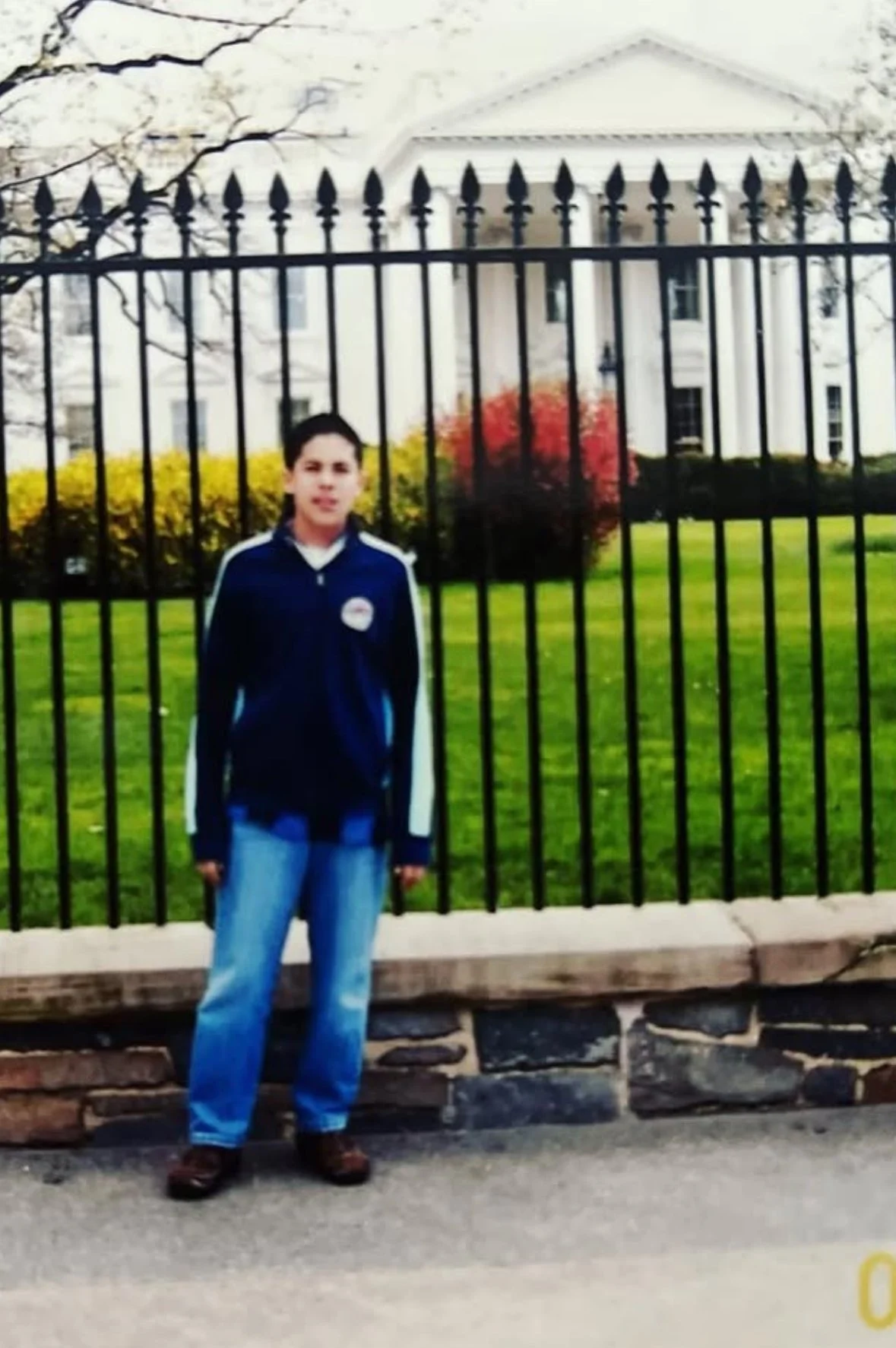
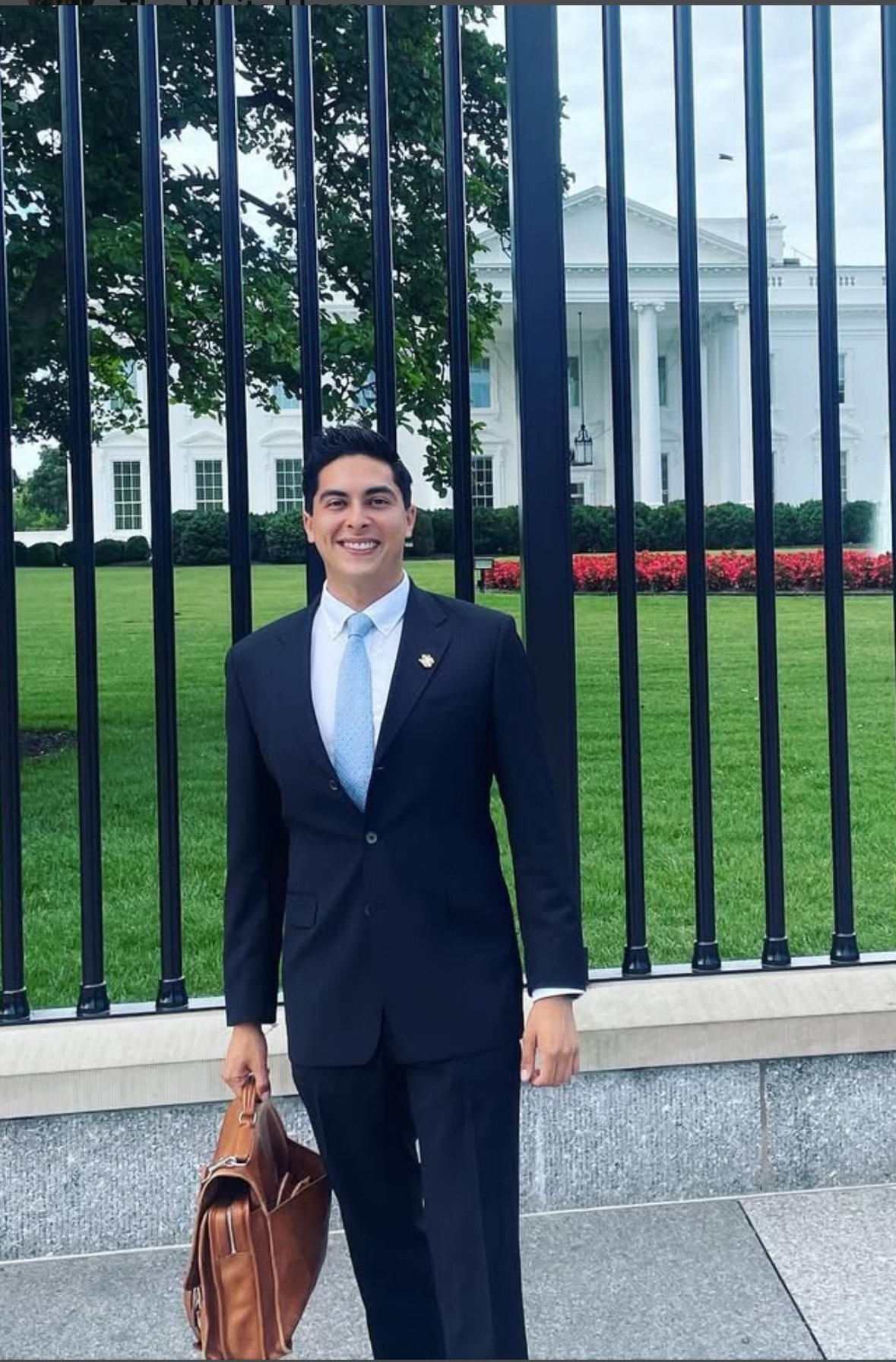
From North Carolina to the Biden White House
Political organizer Luis Guerrero has a message for Latine youth: ‘Aim high’
By: Micaela LS
Luis Guerrero is a political organizer with a decade of public service experience at the community, state, and federal levels. Guerrero moved to North Carolina by way of Texas, attending high school in Winston-Salem and college at the University of North Carolina at Chapel Hill. After graduating from UNC in 2016, Guerrero earned a Masters in Public Policy and worked in the U.S. Congress before joining the Biden White House. He currently resides in Minnesota, where in addition to his public service, he works in solidarity with communities impacted by the recent incursions of ICE and Border Patrol.
I recently caught up with Guerrero to discuss his public service and his ground-level perspective of the federal occupation in Minnesota. Despite the fear that the occupation has unleashed on the streets of Minneapolis, Guerrero’s is a story of hope, resilience, and the immeasurable impact of Latine representation in both academics and politics.
—————-
Desde Carolina del Norte hasta la Casa Blanca de Biden
el organizador político Luis Guerrero tiene un mensaje para la juventud latina: “Apunta alto”.
Por: Micaela LS
Luis Guerrero es un organizador político con una década de experiencia en servicio público a nivel comunitario, estatal y federal. Guerrero se mudó a Carolina del Norte desde Texas, cursando la preparatoria en Winston-Salem y la universidad en la Universidad de Carolina del Norte en Chapel Hill. Tras graduarse de la UNC en 2016, Guerrero obtuvo una maestría en Políticas Públicas y trabajó en el Congreso de los Estados Unidos antes de unirse a la Casa Blanca de Biden. Actualmente reside en Minnesota, donde, además de su servicio público, trabaja en solidaridad con las comunidades afectadas por las recientes incursiones de ICE y la Patrulla Fronteriza.
Recientemente me reuní con Guerrero para hablar sobre su servicio público y su perspectiva desde la base de la ocupación federal en Minnesota. A pesar del miedo que la ocupación ha desatado en las calles de Minneapolis, la historia de Guerrero es una historia de esperanza, resiliencia y el inmensurable impacto de la representación latina tanto en el ámbito académico como en la política.
Micaela: Could you tell us about your background and how you ended up going to the University of North Carolina?
Luis: I went to UNC because when I was in high school it was the school that everyone wanted to go to. I was living in Winston-Salem, which is not too far from Chapel Hill. I wasn't the best student. I had very average grades. I made straight A's my junior year, but that was a one-time thing. My curriculum was very subpar compared to other people in my high school that wanted to go there. I think it was my junior year (when I got straight A's) that I decided to devote more time and energy into my studies and my extracurricular activities–which paid off, obviously, because I ended up getting into UNC. I didn't get a scholarship, but, just getting in was what I needed to get my life on a path that I was happy with. . .
When I got to UNC, I felt, as a Latino, it was a bit intimidating because of the fact that there's not many of us [on campus]. I was fortunate enough to be accepted into this program–that's now been disbanded, unfortunately– called the Carolina Millennial Scholars Program. Essentially it was a fellowship created by the Office of Diversity and [Multicultural Affairs] at the university, and the sole purpose of it was to build community amongst [male] Black and Brown students and make sure that they felt welcomed enough to stay through the four years. Because a problem that many of these Black and Brown males face when they're in college is [that] they drop out because they don't feel like they're doing well enough, or they run into obstacles with finances, and there's a list of reasons why they can't finish their programs. This fellowship, the Carolina Millennial Scholars Program, CMSP, was a big deal for me, and it's definitely one of the reasons why I was able to find a community at UNC. . . When you're a minority, you don't feel–speaking for myself–I didn't feel like I had the support system because there weren't many people like me. And so being forced to interact with other people who had similar backgrounds, similar upbringings, it definitely made me feel more comfortable staying at UNC–and let alone meeting. . . the first Latino professor I've ever had was huge for me. . . It's little things like that that can go a long way in helping students feel like they belong.
Micaela: After graduation, you ended up going into politics and working in the White House under President Biden. Could you talk to us about that experience?
Luis: When I graduated in 2016–which is crazy to think about,time flies!–I moved to Texas to live with my parents. I had a very tough job search. I did some jobs as a server, and other part-time jobs while I was trying to get my footing in the job market. I ended up landing a job in AmeriCorps, which is like the domestic version of the Peace Corps, where you get placed into a nonprofit anywhere across the country, and you basically commit to a year of public service. So I got a job with a program within AmeriCorps called Literacy First. This is a nonprofit that is still around in Texas and its sole job is to help improve literacy rates with elementary students. Since I'm bilingual they placed me with ESL [English as a Second Language] students, helping make sure that they could improve their literacy skills, not just in English, but also in Spanish.
I did that for a year (and again, this is 2016 when Trump got elected, in November of that year), and even though I was really enjoying the teaching side of things, I felt the calling to–this is very cheesy to say–I felt the calling to do more to advocate for the communities that I was serving at the time. So I finished my term at AmeriCorps and I just packed my bags and made the drive from Texas–from Austin, Texas–to D.C. with the hopes of working for a member of Congress. And like I said, at the time I was not the best student at UNC, I had very subpar grades and didn't have an internship on the Hill like most people who get a job on the Hill do. And I think the only reference that I could confidently say would vouch for me was [my Latino professor from UNC]. . . When I got to D.C. it was a grind. Like a lot of members of Congress, obviously, I was talking to their staffers. A lot of them said that, ‘We don't have any openings right now,’ or, ‘You don't meet the criteria.’. . .
One of the chiefs of staff [Michael Mucchetti] for the members of Congress that I wanted to work for was generous enough to consider me for an opening at their office for the staff assistant role. This is like the front desk person for a member of Congress who manages phones, manages the interns, operations for the office, very entry level. . . He saw something in me and gave me the job offer to be a staff assistant, which is all I needed. I needed to just get my foot in the door. . .
Fast forward a few months into my [Master’s of Public Policy] grad school program [at the University of Texas, Austin, which was split between Austin and D.C.], one of the community leaders in Austin that I was good friends with reached out to me saying that he was looking for people who might be interested in doing advanced trips for the President in the White House. . . I went back and forth on telling him I'm interested because obviously it sounded cool, but I was like, ‘I don't know if I'm qualified to do that. I'm also trying to balance grad school and I'm struggling there, keeping up with all the homework.’ But I just went for it. I was like, ‘You know what? This feels like a sign to just give it a try.’
So I told him I'm interested and he connects me with Ryan Montoya [Director of Scheduling and Advance for the Preseident]. . . We hit it off over the phone and he says that he'll be in touch with logistics for my first ever trip. I was thinking there would be a whole onboarding process and everything, but two days later, I just get a ticket invoice for a flight to North Carolina with no contact, like, ‘Here's your flight. Expect to be ready. We'll let you know more once you get on the ground.’
So I get to the airport, travel to North Carolina. . . And the trip that we were doing was with the troops at Fort Bragg (it used to be Fort Liberty, but now they changed it back to Fort Bragg, unfortunately). The whole experience was incredible. Just being able to see a presidential event be developed from start to finish, seeing all the dynamics at play with Secret Service and the White House military office, the press, it's a whole operation, right? You basically make sure that the whole White House apparatus is able to operate out of the site that you're building. . .
I guess Ryan saw something in me that made him want me to do more trips. And even though I was in grad school, I was trying to balance being on the road, taking classes from Zoom, submitting homework a little bit late with the grace of my professors after explaining what I was doing, and on my first foreign mission in Japan. This is my first time leaving North America. . . Going to Japan was my first real experience traveling abroad. While on this trip in Japan, Ryan told me that there was an opening on his team and he wanted to consider me for the role of trip manager. Obviously that's amazing, but I'm scared to say yes because I'm in grad school. I don't know if I can balance working at the White House while finishing my last semester of grad school. I had this fork-in- the-road moment where I went back and forth on saying yes to considering the job offer. Obviously, I ended up saying yes, and the rest is history.
Micaela: That's crazy. That's a journey for sure. That’s nuts just to think about it. It’s cool. I don't know what else to say.
Luis: Thank you.
Micaela: More generally, what is it like being like a Latino in politics?
Luis: Good question. I feel like right now it's particularly unique, being involved in politics as a Latino, because our communities are directly under attack by the federal government. It’s unfortunate that just a year ago we had a government at the highest level working for everyone. Whether you're Latino, whether you're Black, Asian, like no matter your background, the federal government found ways to support the various communities around the country. Fast forward to now, and we have an office devoted to creating fear within our community.
Here in Minnesota where I'm living right now [for political work], there are businesses that are having to close down, or if they're open, they lock the front door because they fear that ICE will enter their business to take someone, even if they don't have a criminal record, and detain them.
It’s very tough to be Latino because on the one hand you're scared to speak up because of the fear of retaliation. On the other, you feel the responsibility of speaking up against the atrocities being committed to our own people. I have been trying to speak up when I can. I don't have a big social media following, but something that I've been doing on my personal time has been raising awareness about the the impacts these ICE raids have been having on small businesses, particularly the immigrant-owned businesses, and how they're at the point of closing down because they don't have as much clientele as they used to, or their employees have been scared to show up to work. I've just been trying to go to the small businesses that I see that are empty. I don't know if it's a Latino thing, like when you're driving by and you see an empty restaurant, like you're like, ‘Oh, let's go support them because they need some love.’ I feel like that's how I was growing up. But I've been trying to just get more people to support these Mom and Pop Shops that really need the support.
The feedback that I've been getting is that it has been really great to see how people are showing up for one another here in Minnesota. Honestly, it’s the reason that I've been able to stay sane during this whole time, just the way that the community has been responding to all the hate and divisiveness coming from Washington with love and grace.
Back to your question, even though our own federal government is trying to portray us as these horrible people, I'm very proud to be Latino. I feel like it's part of who I am. I'm not ashamed to embrace my culture, and since there are not many of us in politics, I try my best to help out any Latino I meet who's interested in getting into politics. I've had people reach out about how to get into an internship, or how to show up for my community right now. I think there's a need for more of us to get involved in politics because government is where the change really happens at the wholesale level. That's the gist.
Micaela: What has the situation been like on the ground [in Minnesota]?
Luis: The way that the Minnesota community has been responding to each tragedy with grace and with solidarity has been really inspiring to see in person. For example, when Speaker Hortman, her husband [Mark Hortman, a UNC graduate], and their dog were assassinated last June in one of the first acts of political violence in recent memory, I remember just seeing everyone come together to prepare the funeral for them. President Biden and Vice President Harris flew to Minnesota to show their support as well. It was just a beautiful gathering to celebrate the memories of amazing people who've contributed so much to the state.
Recently, with Minnesota being under attack by the federal government through different avenues, I’'ve seen students come to the capitol to peacefully protest in the middle of the school day, just to let their voices be heard. The other day I was driving around Lake Street, which is a predominantly minority neighborhood, and I saw this guy pull over and just start giving blankets and food to the houseless people on the street on a really cold night–it was minus 20 degrees that night! Seeing these little acts of kindness, or people using their First Amendment, has been really inspiring to see myself. Even though it's been a tough few weeks for everyone here in Minnesota,, it does feel like there's a light at the end of the tunnel, the way that people keep responding to divisiveness with joy.
Micaela: What message would you like to give to young Latinos who are interested in going into politics or engaging in advocacy work in their communities?
Luis: That's a great question. You've had some good ones today. I'm trying my best to keep up! I think my message would just be to believe in yourself. I never expected to be in the place that I'm in. . . If you asked me ten years ago if I would end up working for a member of Congress, to working in the White House, to working [in Minnesota politics] in the middle of a historic moment for the country, I would definitely not have believed you. I think it's important that you believe in yourself, that you think that it's possible to accomplish your goals.
And this doesn't have to be related to politics. If you want to pursue acting and you want to be the best Latino or Latina actress in the world, that's totally within your reach. If you want to be a journalist and you want to win a Pulitzer Prize, aim high, that's totally okay. In fact, I encourage aiming as high as possible because you never know what you will accomplish unless you try. Believe in yourself and just know that there's a lot of people out there rooting for you, even if they don't know you. When I'm on social media and I hear about a success story about Latino or Latina, I get so proud. Even though I don't know them, it's just cool to see people of your own background achieving great things. So believe in yourself and just know that you have a support system out there.
Micaela: Thank you so much for your time. This has been [an inspiring] interview.
Luis: Thank you for having me, Micaela.
Micaela: ¿Podrías contarnos sobre tus antecedentes y cómo llegaste a la Universidad de Carolina del Norte?
Luis: Fui a la UNC porque cuando estaba en la preparatoria era la universidad a la que todos querían ir. Vivía en Winston-Salem, que no está muy lejos de Chapel Hill. No era el mejor estudiante. Tenía calificaciones muy promedio. Saqué solo sobresalientes en mi penúltimo año, pero fue algo puntual. Mi plan de estudios era muy inferior al de otros estudiantes de mi preparatoria que querían ir allí. Creo que fue en mi penúltimo año (cuando saqué solo sobresalientes) que decidí dedicar más tiempo y energía a mis estudios y actividades extracurriculares, lo cual valió la pena, obviamente, porque terminé entrando a la UNC. No conseguí una beca, pero el simple hecho de entrar fue lo que necesitaba para encaminar mi vida hacia un futuro feliz.
Cuando llegué a la UNC, como latino, me sentí un poco intimidado por la poca cantidad de estudiantes en el campus. Tuve la suerte de ser aceptado en este programa —que lamentablemente ya no existe— llamado Programa de Becas Millennial de Carolina. En esencia, era una beca creada por la Oficina de Diversidad y Asuntos Multiculturales de la universidad, cuyo único propósito era crear una comunidad entre los estudiantes varones negros y latinos y asegurar que se sintieran bienvenidos durante los cuatro años. Un problema que muchos de estos hombres negros y latinos enfrentan en la universidad es que abandonan porque sienten que no les va lo suficientemente bien, o porque tienen dificultades económicas, y hay una serie de razones por las que no pueden terminar sus programas. Esta beca, el Programa de Becas Millennial de Carolina (CMSP), fue muy importante para mí, y sin duda es una de las razones por las que pude encontrar una comunidad en la UNC... Cuando eres una minoría, no sientes... hablando por mí, no sentía que tuviera un sistema de apoyo porque no había mucha gente como yo. Así que, al verme obligado a interactuar con otras personas con orígenes y crianzas similares, definitivamente me sentí más cómodo quedándome en la UNC, y ni hablar de conocer... al primer profesor latino que tuve fue fundamental para mí... Son pequeños detalles como ese los que pueden ayudar mucho a los estudiantes a sentirse parte de la comunidad.
Micaela: Después de graduarte, terminaste incursionando en la política y trabajando en la Casa Blanca durante la presidencia de Biden. ¿Podrías hablarnos de esa experiencia?
Luis: Cuando me gradué en 2016 —¡qué locura pensarlo, el tiempo vuela!— me mudé a Texas a vivir con mis padres. Tuve una búsqueda de trabajo muy difícil. Trabajé como camarero y otros a tiempo parcial mientras intentaba abrirme camino en el mercado laboral. Terminé consiguiendo un trabajo en AmeriCorps, que es como la versión nacional del Cuerpo de Paz, donde te colocan en una organización sin fines de lucro en cualquier parte del país y básicamente te comprometes a un año de servicio público. Así que conseguí trabajo en un programa dentro de AmeriCorps llamado Literacy First. Esta es una organización sin fines de lucro que aún existe en Texas y su único trabajo es ayudar a mejorar las tasas de alfabetización de los estudiantes de primaria. Como soy bilingüe, me asignaron con estudiantes de ESL (inglés como segundo idioma), ayudándolos a mejorar sus habilidades de alfabetización, no solo en inglés, sino también en español.
Hice eso durante un año (y repito, esto fue en 2016, cuando Trump fue elegido, en noviembre de ese año), y aunque disfrutaba mucho de la docencia, sentí la llamada a —suena un poco cursi decirlo— a hacer más por las comunidades a las que servía en ese momento. Así que terminé mi periodo en AmeriCorps, hice las maletas y conduje desde Texas —desde Austin, Texas— hasta Washington D. C. con la esperanza de trabajar para un congresista. Y como dije, en ese momento no era el mejores estudiante de la UNC, tenía notas muy bajas y no tenía prácticas en el Congreso como la mayoría de la gente que consigue trabajo allí. Y creo que la única referencia que podría decir con seguridad que me respaldaría era [mi profesor latino de la UNC]... Cuando llegué a Washington D. C. fue un trabajo duro. Como muchos congresistas, obviamente, hablaba con sus empleados. Muchos de ellos dijeron: "No tenemos vacantes en este momento" o "No cumples con los criterios".
Uno de los jefes de gabinete [Michael Mucchetti] de los congresistas para quienes quería trabajar tuvo la generosidad de considerarme para una vacante en su oficina como asistente de personal. Es como la recepcionista de un congresista que maneja los teléfonos, a los becarios, las operaciones de la oficina, un puesto muy básico... Vio algo en mí y me ofreció el trabajo de asistente de personal, que era todo lo que necesitaba. Solo necesitaba poner un pie en la puerta…
Unos meses después de comenzar mi programa de posgrado [de Maestría en Políticas Públicas] [en la Universidad de Texas, Austin, que se dividía entre Austin y Washington D. C.], uno de los líderes comunitarios de Austin, con quien era muy amigo, me contactó para decirme que buscaba personas que pudieran estar interesadas en realizar viajes de preinscripción para el presidente en la Casa Blanca... Dudé en decirle que estaba interesado porque, obviamente, sonaba bien, pero le dije: "No sé si estoy calificado para eso". También estoy intentando compaginar el posgrado y me cuesta mucho mantenerme al día con todas las tareas. Pero simplemente me lancé. Pensé: "¿Sabes qué? Esto me parece una señal para intentarlo".
Así que le dije que estaba interesado y me puso en contacto con Ryan Montoya [Director de Programación y Avance del Presidente]. Conectamos por teléfono y me dijo que se pondría en contacto con la logística para mi primer viaje. Pensaba que habría todo un proceso de incorporación y todo eso, pero dos días después, recibí la factura de un vuelo a Carolina del Norte sin contacto, algo así como: "Aquí está tu vuelo. Prepárate. Te informaremos más en cuanto aterrices".
Así que llegué al aeropuerto y viajé a Carolina del Norte... Y el viaje que hacíamos era con las tropas en Fort Bragg (antes se llamaba Fort Liberty, pero ahora lo cambiaron de nuevo a Fort Bragg, por desgracia). Toda la experiencia fue increíble. Poder ver cómo se desarrollaba un evento presidencial de principio a fin, ver toda la dinámica con el Servicio Secreto, la oficina militar de la Casa Blanca, la prensa... es toda una operación, ¿verdad? Básicamente, te aseguras de que todo el aparato de la Casa Blanca pueda operar desde el sitio que estás construyendo…
Supongo que Ryan vio algo en mí que le hizo querer que hiciera más viajes. Y aunque estaba en la escuela de posgrado, estaba tratando de equilibrar estar en el camino, tomando clases de Zoom, entregando la tarea un poco tarde con la gracia de mis profesores después de explicar lo que estaba haciendo, y en mi primera misión en el extranjero en Japón. Esta es la primera vez que salgo de América del Norte... Ir a Japón fue mi primera experiencia real viajando al extranjero. Durante este viaje en Japón, Ryan me dijo que había una vacante en su equipo y que quería considerarme para el puesto de gerente de viaje. Obviamente, eso es increíble, pero tengo miedo de decir que sí porque estoy en la escuela de posgrado. No sé si puedo equilibrar trabajar en la Casa Blanca mientras termino mi último semestre de posgrado. Tuve un momento de bifurcación en el camino donde dudé entre decir que sí o considerar la oferta de trabajo. Obviamente, terminé diciendo que sí, y el resto es historia.
Micaela: Qué locura. Es todo un viaje, sin duda. Es una locura solo pensarlo. Es genial. No sé qué más decir.
Luis: Gracias.
Micaela: En general, ¿cómo es ser latino en la política?
Luis: Buena pregunta. Siento que ahora mismo es particularmente único involucrarme en política como latino, porque nuestras comunidades están bajo ataque directo del gobierno federal. Es lamentable que hace apenas un año tuviéramos un gobierno al más alto nivel trabajando para todos. Ya seas latino, negro, asiático, sin importar tu origen, el gobierno federal encontró maneras de apoyar a las diversas comunidades del país. Hoy en día, tenemos una oficina dedicada a generar miedo en nuestra comunidad.
Aquí en Minnesota, donde vivo ahora mismo [por trabajo político], hay negocios que tienen que cerrar, o si están abiertos, cierran la puerta principal con llave por temor a que ICE entre y se lleve a alguien, incluso si no tiene antecedentes penales, y lo detenga.
Es muy difícil ser latino porque, por un lado, te da miedo alzar la voz por miedo a las represalias. Por otro, sientes la responsabilidad de denunciar las atrocidades que se cometen contra nuestra propia gente. He intentado alzar la voz siempre que puedo. No tengo muchos seguidores en redes sociales, pero algo que he estado haciendo en mi tiempo libre es crear conciencia sobre el impacto que estas redadas de ICE han tenido en los pequeños negocios, en particular los de inmigrantes, y cómo están a punto de cerrar porque no tienen tanta clientela como antes o porque sus empleados tienen miedo de ir a trabajar. Simplemente he estado intentando ir a los pequeños negocios que veo vacíos. No sé si es algo latino, como cuando vas en coche y ves un restaurante vacío, y piensas: "Vamos a apoyarlos porque necesitan cariño". Siento que así fue como crecí. Pero he estado intentando que más gente apoye a estas pequeñas tiendas que tanto necesitan apoyo.
La respuesta que he recibido es que ha sido genial ver cómo la gente se apoya mutuamente aquí en Minnesota. Honestamente, es la razón por la que he podido mantener la cordura durante todo este tiempo, simplemente la forma en que la comunidad ha respondido a todo el odio y la división que provienen de Washington con amor y gracia.
Volviendo a tu pregunta, aunque nuestro propio gobierno federal intenta retratarnos como gente horrible, estoy muy orgulloso de ser latino. Siento que es parte de mí. No me avergüenza abrazar mi cultura, y como no somos muchos los que nos dedicamos a la política, hago todo lo posible por ayudar a cualquier latino que conozco que esté interesado en dedicarse a ella. Me han contactado para preguntarme cómo conseguir una pasantía o cómo ayudar a mi comunidad en este momento. Creo que es necesario que más de nosotros nos involucremos en la política porque el gobierno es donde realmente se produce el cambio a gran escala. Esa es la esencia.
Micaela: ¿Cómo ha sido la situación en Minnesota?
Luis: Ha sido realmente inspirador ver en persona la forma en que la comunidad de Minnesota ha respondido a cada tragedia con gracia y solidaridad. Por ejemplo, cuando la presidenta de la Cámara de Representantes, Hortman, su esposo [Mark Hortman, graduado de la UNC] y su perro fueron asesinados el pasado junio en uno de los primeros actos de violencia política en la historia reciente, recuerdo haber visto a todos reunidos para preparar el funeral. El presidente Biden y la vicepresidenta Harris también volaron a Minnesota para mostrar su apoyo. Fue una hermosa reunión para celebrar el recuerdo de personas increíbles que tanto han contribuido al estado.
Recientemente, con Minnesota bajo ataque del gobierno federal por diferentes vías, he visto a estudiantes acudir al capitolio para protestar pacíficamente en pleno día escolar, simplemente para alzar la voz. El otro día iba conduciendo por Lake Street, un barrio predominantemente minoritario, y vi a un hombre detenerse y empezar a repartir mantas y comida a las personas sin hogar en la calle en una noche muy fría: ¡hacía -20 grados! Ha sido realmente inspirador ver estos pequeños actos de bondad, o a la gente ejerciendo su derecho a la Primera Enmienda. Aunque han sido unas semanas difíciles para todos aquí en Minnesota, siento que hay una luz al final del túnel, al ver cómo la gente sigue respondiendo con alegría a la división.
Micaela: ¿Qué mensaje les darías a los jóvenes latinos interesados en dedicarse a la política o participar en la defensa de sus comunidades?
Luis: Esa es una gran pregunta. Hoy has tenido algunas buenas. ¡Estoy haciendo todo lo posible por seguirles el ritmo! Creo que mi mensaje sería simplemente que crean en ustedes mismos. Nunca imaginé estar donde estoy... Si me hubieran preguntado hace diez años si terminaría trabajando para un miembro del Congreso, en la Casa Blanca o en la política de Minnesota en medio de un momento histórico para el país, definitivamente no les habría creído. Creo que es importante que crean en ustedes mismos, que piensen que es posible lograr sus metas.
Y esto no tiene por qué estar relacionado con la política. Si quieren dedicarse a la actuación y ser la mejor actriz latina del mundo, está totalmente a su alcance. Si quieren ser periodistas y ganar un Premio Pulitzer, aspiren alto, está bien. De hecho, te animo a aspirar lo más alto posible, porque nunca sabes lo que lograrás si no lo intentas. Cree en ti mismo y recuerda que hay mucha gente apoyándote, aunque no te conozcan. Cuando estoy en redes sociales y escucho una historia de éxito de una persona latina, me siento muy orgulloso. Aunque no los conozca, es genial ver a gente de tu misma ascendencia logrando grandes cosas. Así que cree en ti mismo y recuerda que tienes un sistema de apoyo ahí fuera.
Micaela: Muchas gracias por tu tiempo. Esta entrevista ha sido [inspiradora].
Luis: Gracias por invitarme, Micaela.